Introduction
Electrical systems are essential in every home, yet they can become hazardous if not properly maintained. Household electrical shock incidents often occur due to aging wiring, overloaded outlets, or unsafe handling practices.
Raising awareness about electrical safety can significantly reduce risks.
Common Causes of Electrical Shock
- Damaged or Exposed Wiring
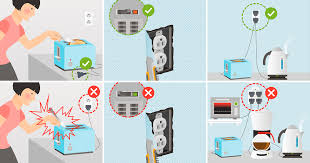
Cracked insulation or exposed wires increase the likelihood of electrical leakage. - Overloaded Power Outlets
Plugging multiple high-wattage devices into one outlet can lead to overheating. - Low-Quality Electrical Devices
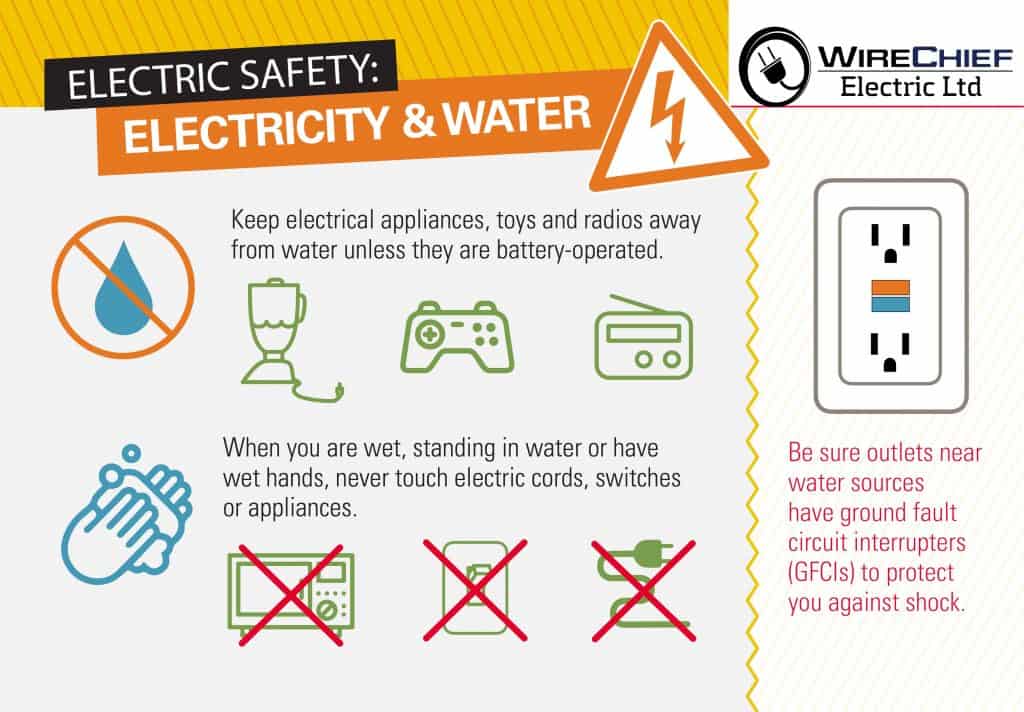
Uncertified products may not meet safety standards. - Using Electrical Devices with Wet Hands
Bathrooms and kitchens are especially high-risk areas.
Effective Prevention Measures
Schedule Regular Electrical Inspections
A licensed electrician should inspect the system periodically.
Install Residual Current Devices (RCDs)
These automatically cut power when leakage is detected.
Keep Electrical Appliances Away from Water
Moisture increases the risk of short circuits.
Childproof Electrical Outlets
Use outlet covers to prevent accidental contact.
What to Do in Case of Electrical Shock
- Immediately disconnect the power source if safe to do so
- Avoid direct contact with the affected person until power is off
- Seek medical assistance if necessary
Conclusion
Household electrical shock incidents are largely preventable through proper maintenance and responsible usage. Safety awareness plays a critical role in protecting family members.