Introduction
Large trucks and container vehicles play a vital role in transportation, but their size creates significant blind spots. These blind spots—also known as “no-zones”—are areas where the truck driver cannot see nearby vehicles.
Understanding how blind spots work can help prevent unnecessary collisions on highways and urban roads.
Where Are Truck Blind Spots Located?
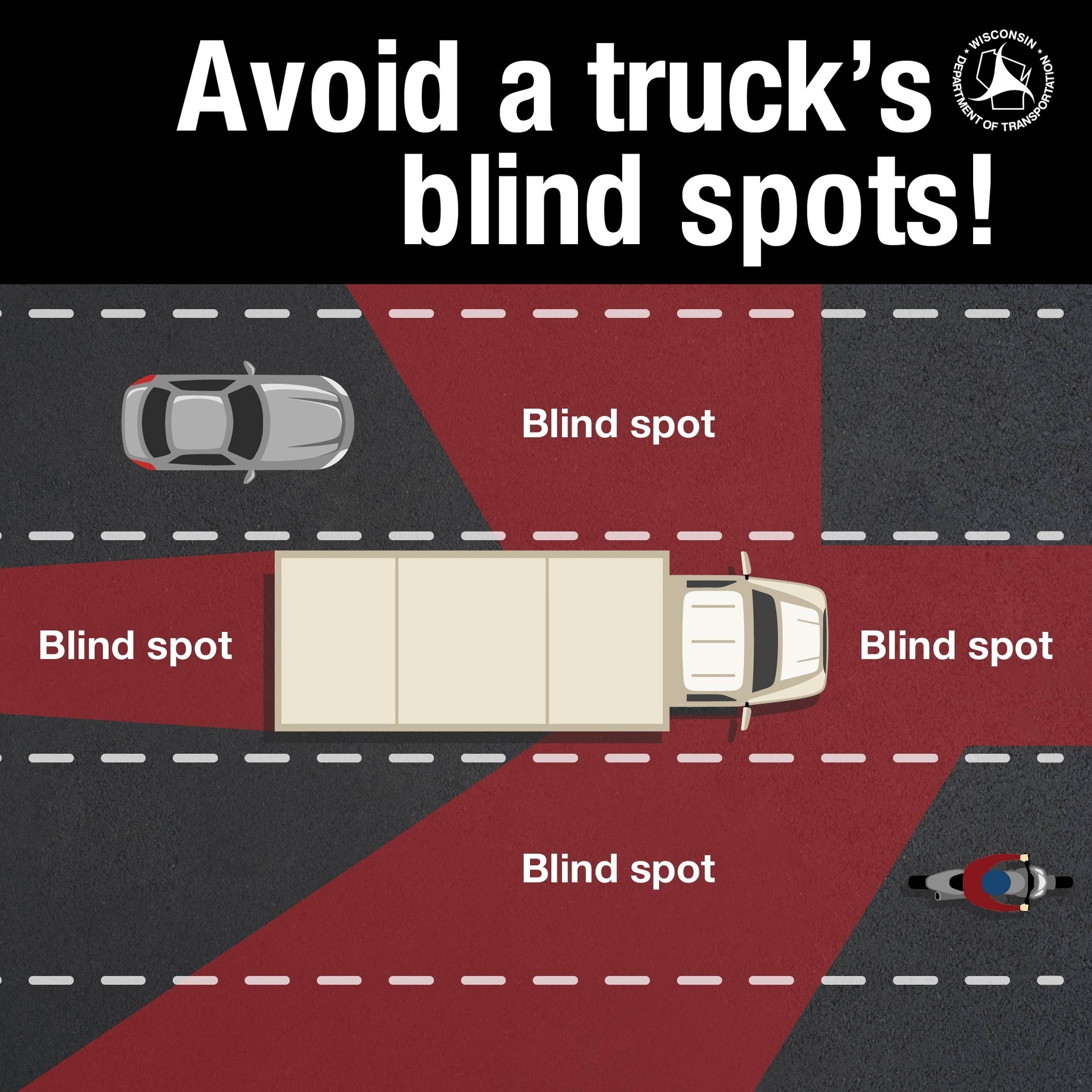
Blind spots typically exist:
- Along both sides of the truck
- Directly in front of the cab at close range
- Immediately behind the trailer
If a smaller vehicle remains in these areas, the truck driver may be unaware of its presence.
Why Blind Spots Are Dangerous
- Trucks require longer stopping distances
- The driver’s elevated seating position limits close-range visibility
- Large vehicles need more time and space to maneuver
If a smaller vehicle suddenly changes lanes within a blind spot, the risk of collision increases significantly.
How to Stay Safe Around Trucks
Avoid Driving Alongside for Long Periods
Pass large vehicles steadily and safely without lingering.
Maintain Safe Following Distance
Do not tailgate a truck, especially on inclines or declines.
Avoid Stopping Directly in Front of a Truck
The driver may not see smaller vehicles at close front range.
Shared Responsibility
Truck drivers should:
- Regularly check mirrors
- Signal early before changing lanes
- Reduce speed in congested areas
Safety depends on awareness from both large and small vehicle drivers.
Conclusion
Truck blind spots present hidden risks, but these dangers can be minimized with proper awareness and cautious driving behavior.nN